A clogged drain in a BRF (bostadsrättsförening) rarely stays a one-apartment problem for long — shared stacks mean one blockage backs up into three or four units fast, and 2026 board minutes are full of complaints about it. This guide walks through diagnosing the blockage, clearing it safely, and knowing when to stop DIY-ing and call in professional drain clearing.
- Most BRF drain clogs in 2026 trace back to grease, wet wipes, or root intrusion in older clay pipes — not toilet paper.
- A plunger or hand auger fixes single-fixture clogs; shared stack backups need high-pressure flushing, not chemicals.
- Camera inspection before digging or excavating saves BRFs thousands in unnecessary pipe replacement costs.
- Spolsupport handles 24/7 emergency drain-clearing across Stockholm and Gothenburg when a DIY fix doesn't hold.
Why this matters
A BRF's plumbing is a shared system. Grease poured down one kitchen sink in 2020 can surface as a flooded basement laundry room in 2026, three floors down. Boards that ignore recurring slow drains end up paying for emergency callouts and, in worse cases, water damage claims that cost far more than a scheduled flush would have.
Knowing the difference between a fixture-level clog you can clear yourself and a main-stack problem that needs Spolsupport is the single biggest cost-control decision a board or property manager makes on this topic.
What you'll need
- A flange plunger (not the flat sink-style cup) for toilets
- A hand auger or drain snake, at least 3 meters, for sink and floor drains
- Rubber gloves and old towels
- A bucket to catch backflow
- Enzyme-based drain treatment (skip caustic soda or bleach-based crystals in shared pipes)
- A flashlight and a phone camera to document the blockage location for the board or a technician
- Access to the building's floor plan or drain schematic, if the association has one on file
If the clog is in a shared stack rather than a single apartment's fixture, none of the above will fix it long-term — jump straight to calling a professional with camera inspection equipment.
The steps
1. Identify whether it's a fixture clog or a stack problem
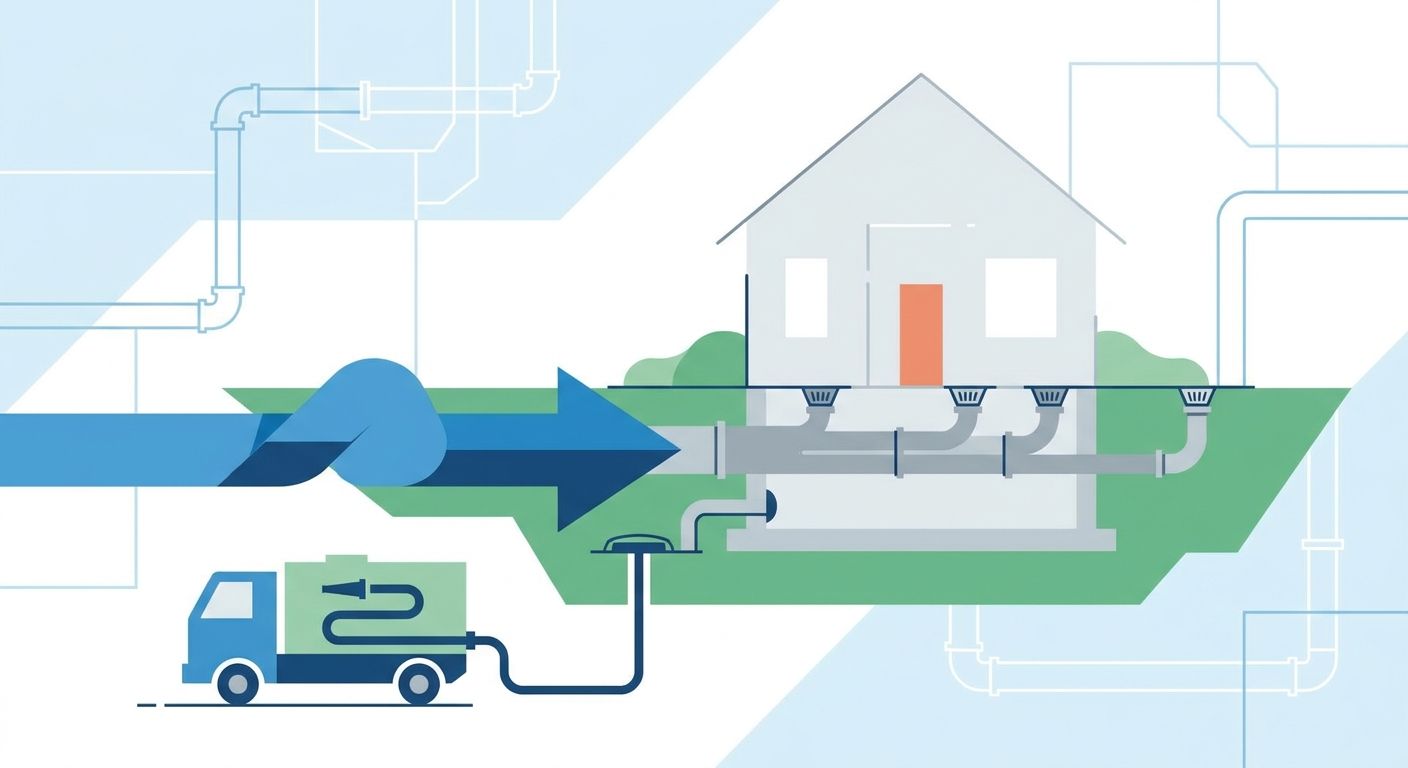
Check if the blockage affects one sink or toilet, or multiple fixtures across different apartments at once. A single slow-draining sink is almost always local. Multiple units backing up simultaneously, especially on lower floors, points to a shared stack or the main line to the municipal connection — a job for professional equipment, not a plunger.
Common mistake: treating a multi-unit backup as a single-apartment issue and pouring chemical cleaner down one drain, which does nothing for a blockage sitting in the shared pipe below.
2. Notify the board or property manager before you start
In a BRF, plumbing work — even DIY unclogging — should be logged. Other residents need a heads-up if you're about to run water or use an auger in a shared stack access point. This also protects you if something goes wrong; boards in Stockholm and Gothenburg increasingly require documentation for insurance purposes after 2024.
Common mistake: skipping notification and getting blamed later for water damage that was actually pre-existing.
3. Try a plunger on the affected fixture first
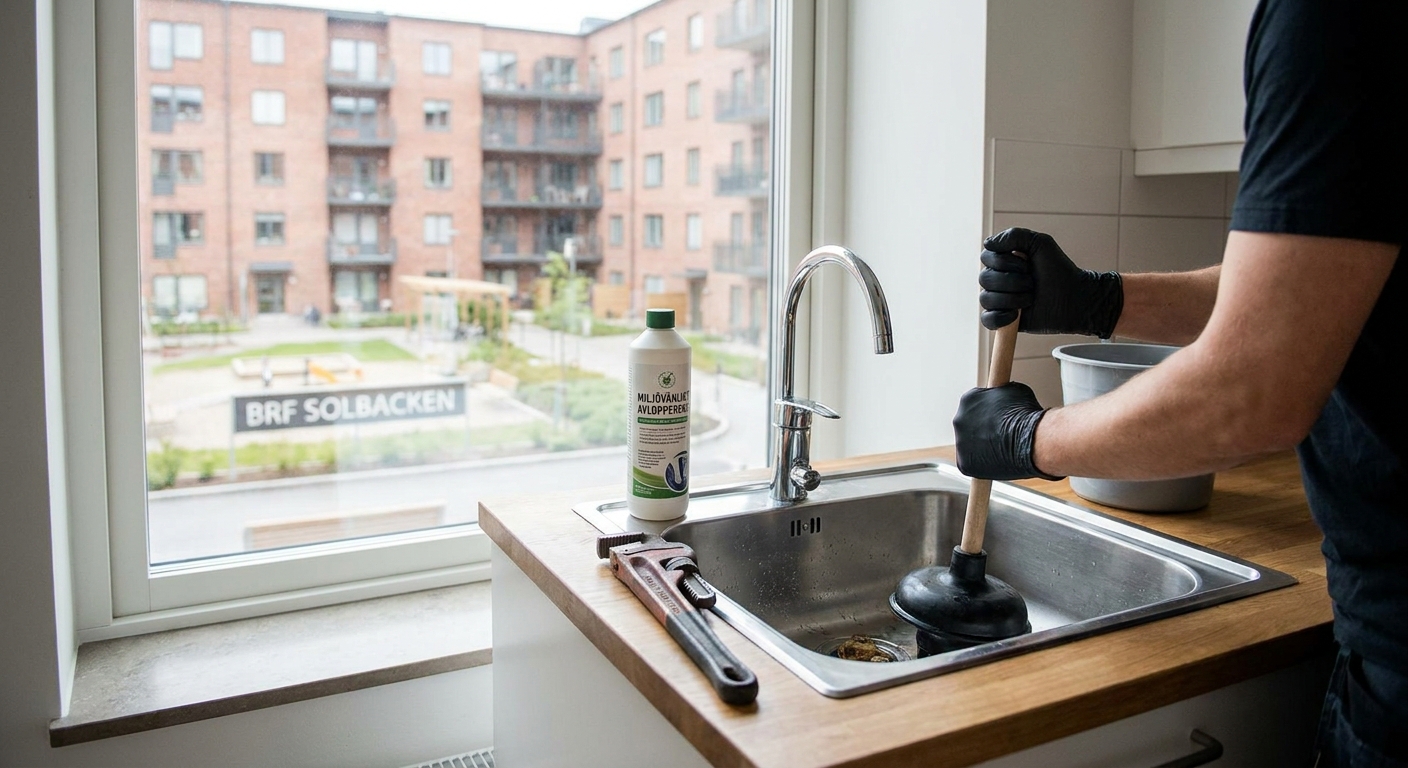
For toilets, seal the flange fully over the drain opening and plunge with firm, steady strokes for 15-20 seconds. For sinks, block the overflow hole with a wet rag first so pressure doesn't just escape there. This clears roughly the majority of simple grease and paper clogs without any tools beyond what's under the sink.
Expected outcome: water drains at normal speed within a minute of the last plunge. If it's still slow, move to the auger.
4. Feed a hand auger into the drain
Insert the auger cable slowly, turning the handle clockwise as you push. Stop when you feel resistance — that's the clog. Continue turning to break it up or hook it, then pull back slowly. Do this in 30-centimeter increments rather than shoving the full length in at once.
Common mistake: forcing the auger too fast and pushing the blockage further into the pipe instead of breaking it up.
5. Flush with hot water, not chemical crystals
Once the auger clears the immediate obstruction, run hot water for 2-3 minutes to flush loose debris further down the line. Skip caustic drain crystals in a shared BRF system — they can damage older pipe joints and create hazards for a technician who has to work on the line later. Enzyme-based treatments are safer for shared cast-iron or clay stacks common in buildings built before the 1980s.
6. Check for recurrence over the next 48 hours
Run each affected fixture again the next day and the day after. A clog that returns within 48 hours usually means the auger only broke through part of the blockage, or the real problem is further down the stack than a hand tool can reach.
Expected outcome: if the drain runs clean for 2 full days, the fixture-level fix held. If it slows again, the issue is deeper and it's time for a camera.
7. Call for camera inspection if the clog repeats
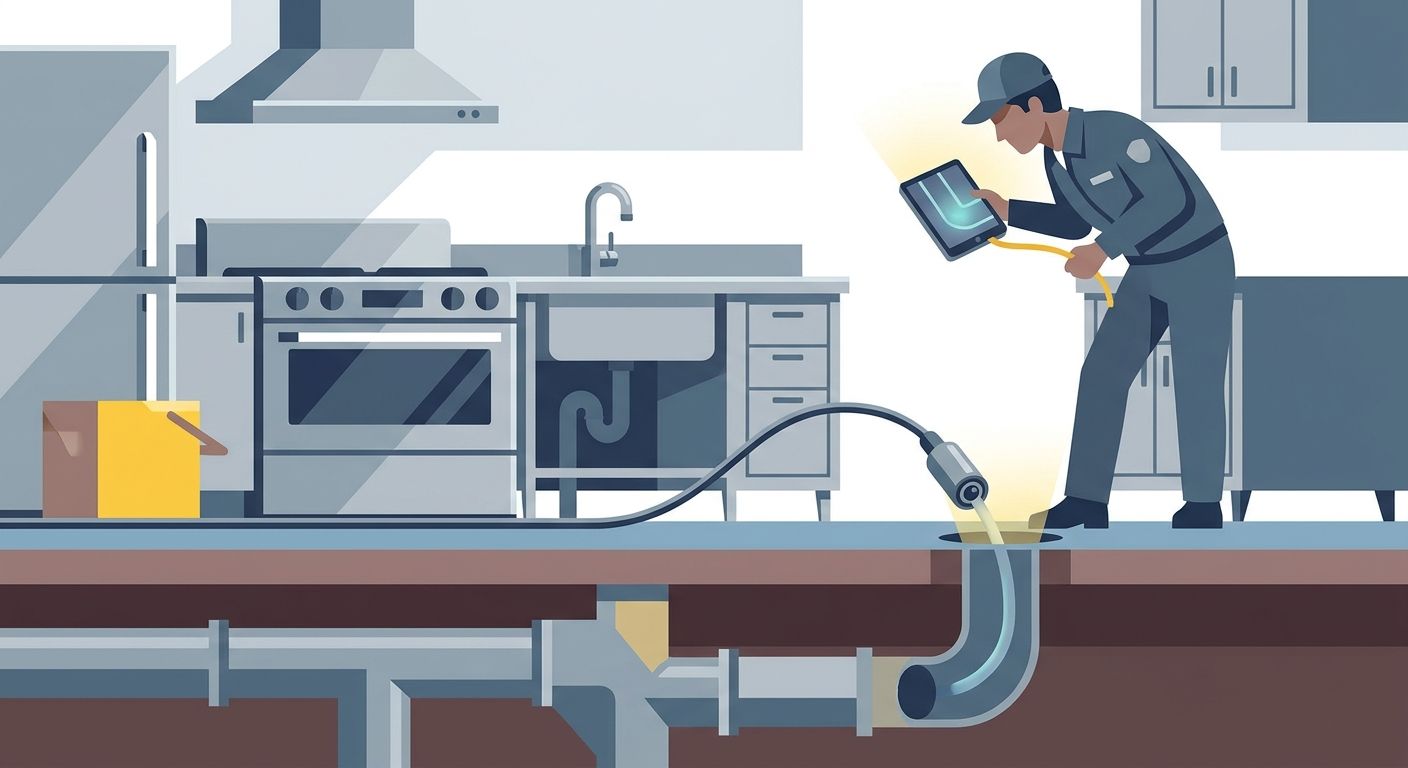
A recurring clog in a BRF built before 2000 is frequently root intrusion — tree roots finding their way into old clay or cast-iron joints. Camera inspection shows exactly where the blockage sits and whether it's roots, a pipe collapse, grease buildup, or a foreign object, without digging up the property to guess. This is the point where DIY tools stop being useful.
8. Schedule high-pressure flushing or root milling for the main line
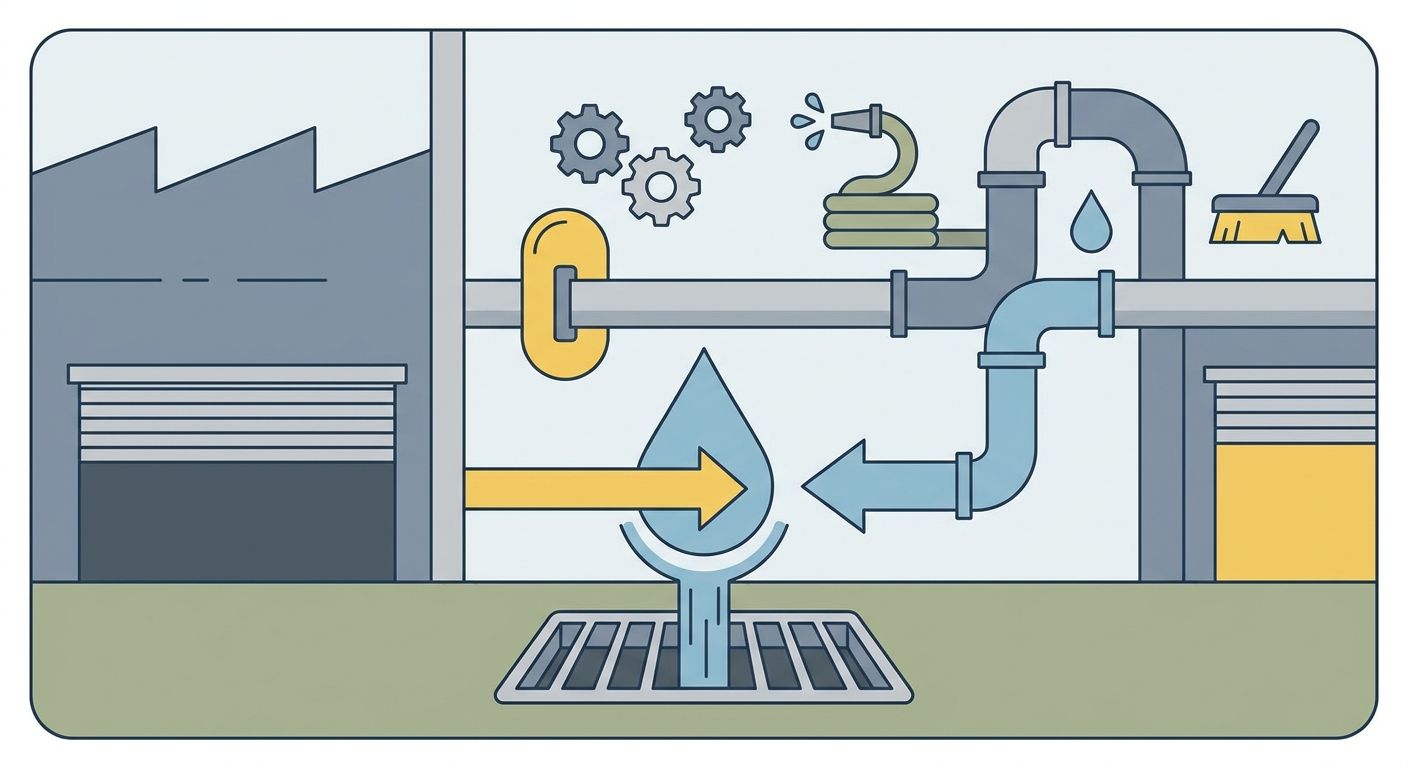
Once the camera confirms the problem, high-pressure water flushing clears grease and scale buildup along the full length of a stack or lateral line, and root milling physically cuts through root intrusion that's grown into the pipe wall. Both jobs need commercial-grade equipment a board shouldn't try to improvise with a rented machine.
Get a drain expert out this week
24/7 emergency drain clearing for BRFs and commercial buildings in Stockholm and Gothenburg.
Troubleshooting
- Water backs up into a floor drain, not a sink or toilet: this is almost always a main stack blockage. Stop using all fixtures on that stack immediately and call for professional flushing — a floor drain backup means the whole vertical line is compromised.
- Auger comes back with roots wrapped around it: you've confirmed root intrusion. A hand auger will not clear this permanently; the pipe needs root milling or the roots regrow within weeks.
- Smell of sewage after clearing the visible clog: a partial blockage may still be trapping waste further down. Book a camera inspection before assuming the job is done.
- Same apartment clogs every few months: check what's actually going down that drain — grease, coffee grounds, and wet wipes are the top repeat offenders in 2026 service calls across multi-unit buildings.
- Multiple boards report clogs the same week: this usually points to a municipal-side issue or a shared lateral line problem, not something any single resident caused. Loop in the property manager before assigning blame.
- DIY auger won't reach the clog at all: a 3-meter hand auger physically cannot reach most main-stack blockages, which sit meters below ground. This is a sign you need equipment, not a longer tool.
Tools and resources
- Flange plunger and 3-meter hand auger for fixture-level clogs
- Enzyme-based drain treatment, not caustic crystals, for shared pipe systems
- Camera inspection service to locate blockages without guesswork
- High-pressure drain flushing for grease and scale buildup in main lines
- Root milling for tree root intrusion in older clay or cast-iron stacks
- Spolsupport for 24/7 emergency response when a DIY fix doesn't hold past 48 hours
What to do next
If the clog clears with a plunger or auger and stays clear for a week, log the incident with the board and move on. If it comes back, or if it affects more than one apartment, stop troubleshooting fixture by fixture — the fix needs to happen at the stack or lateral line level, and that's a camera inspection followed by targeted flushing or root milling, not another round of chemical cleaner.
FAQ
What's the fastest way to unclog a drain in a BRF housing association?
A flange plunger or 3-meter hand auger clears most single-fixture clogs within minutes. If multiple apartments back up at once, the fastest real fix is professional high-pressure flushing on the shared stack, not more plunging.
Is chemical drain cleaner safe for BRF shared pipes?
Caustic soda and bleach-based crystals are not recommended for shared cast-iron or clay stacks, especially in buildings from before the 1980s. Enzyme-based treatments are the safer option and won't damage older pipe joints.
How do I know if a drain clog is a shared stack problem?
If more than one apartment experiences slow drains or backups at the same time, especially on lower floors, the blockage sits in the shared stack or main line, not a single fixture.
How much does professional drain flushing cost for a BRF in 2026?
Pricing depends on building size, pipe access, and whether camera inspection or root milling is also needed. Request a quote directly for an accurate 2026 estimate based on your property.
What causes recurring drain clogs in older BRF buildings?
Root intrusion into old clay or cast-iron pipe joints is the most common repeat cause in buildings built before 2000. Grease buildup and wet wipes are the leading cause in newer buildings.
Can camera inspection find a clog without digging up the property?
Yes. Camera inspection feeds a video line through the pipe to show the exact location and cause of a blockage, which avoids unnecessary excavation and guesswork.
Should a BRF board or resident call an emergency drain service?
Either can call, but the board or property manager should be notified first since shared pipes affect the whole building. For after-hours flooding, 24/7 emergency drain-clearing services should be contacted immediately regardless of who makes the call.
How often should a BRF get its main drain line flushed?
Buildings with a history of grease buildup or root intrusion typically benefit from a scheduled flush every 1-2 years, though the right interval depends on pipe age and material.
One last thing
The single most avoidable cause of repeat BRF drain calls in 2026 isn't tree roots or old pipes — it's residents pouring cooking grease down kitchen sinks, which hardens as it cools and narrows the shared stack diameter over months. A five-minute note in the building's stairwell about grease disposal prevents more service calls than any single flush does.